
Tracing the historical evolution of gambling From ancient rituals to modern casinos
Tracing the historical evolution of gambling From ancient rituals to modern casinos
Origins of Gambling in Ancient Cultures
The history of gambling can be traced back to ancient civilizations, where it was often intertwined with religious and social rituals. In Mesopotamia, around 3000 BC, early forms of dice made from animal bones were used in games of chance, often linked to divination practices. These games were not just for entertainment; they were seen as a way to connect with the divine and predict the future. Similarly, in ancient China, gambling activities were recorded as early as the Shang Dynasty (1600-1046 BC), highlighting its role in social interactions. Today, you can explore the best bitcoin betting sites to enhance your own betting strategies.

The Egyptians also engaged in gambling, particularly through board games that involved betting. Their games often reflected the society’s hierarchical nature, with nobility playing for higher stakes than commoners. Such activities provided a glimpse into the cultural significance of gambling, emphasizing its role in social stratification and leisure activities. Additionally, artifacts like the ancient Egyptian senet boards show that gambling was viewed as a noble pursuit, further entrenching its place in society.
As gambling spread across different cultures, its forms and rules evolved. The Greeks introduced betting on athletic competitions, particularly the Olympics, which added a competitive edge to gambling. This blend of competition and chance highlighted the human desire for risk and reward, a theme that would resonate throughout the history of gambling. From these early beginnings, gambling began to shape itself into a widespread activity that would continue to evolve through the ages.
The Rise of Gambling in the Middle Ages
The Middle Ages saw a significant transformation in the nature of gambling, transitioning from informal betting in local markets to more structured games. During this period, card games became popular in Europe, and betting on events, such as jousting tournaments, became widespread. These activities provided a form of entertainment that was accessible to the masses, reflecting the changing social dynamics of the time. The emergence of gambling houses began to formalize the practice, providing designated spaces where people could engage in these activities.
Moreover, the introduction of laws regulating gambling indicated its growing prominence in society. Various countries implemented measures to control the industry, reflecting both its popularity and the potential for exploitation. In England, the Gaming Act of 1845 aimed to curb fraudulent practices, illustrating a recognition of the need for regulation as gambling became increasingly associated with vice. This period marked a turning point, as gambling began to attract both the wealthy and the lower classes, further embedding it into the fabric of society.
Throughout the Middle Ages, different forms of gambling, such as lotteries, also gained traction, often used to fund public projects or charitable causes. These lotteries were seen as a way to promote civic responsibility while generating revenue. However, they also faced backlash from religious institutions, which viewed them as morally questionable. This tension between societal acceptance and moral disapproval created a complex relationship with gambling that continues to this day.
The Influence of the Renaissance and Enlightenment
The Renaissance period marked a significant shift in the world of gambling, with a renewed interest in arts, sciences, and philosophy influencing the way games were played and perceived. The introduction of printed playing cards revolutionized the gambling landscape, making card games more accessible and popular among the general public. Casinos began to emerge in Italy, where patrons could enjoy various games in elegant settings, signaling a move towards a more refined gambling experience.
As gambling spread throughout Europe, the Enlightenment brought about new philosophical ideas that challenged traditional views on risk and chance. Thinkers such as Pascal and Hume contemplated the nature of probability, laying the groundwork for modern gambling theory. This intellectual engagement with chance led to a deeper understanding of gambling mechanics, enabling games to be designed with greater complexity and excitement. The allure of mathematical probability attracted a new class of gamblers, eager to test their skills and strategies.
However, the period also saw growing concerns about gambling addiction and its societal impact. Debates emerged around the moral implications of gambling, leading to increased scrutiny from religious and political leaders. The dichotomy between gambling as a form of entertainment and as a vice became more pronounced, a tension that would shape public policy and societal attitudes towards gambling in the years to come. The Renaissance and Enlightenment eras thus played a crucial role in both the evolution of gambling practices and the ongoing dialogue about their implications.
The Emergence of Modern Gambling Establishments
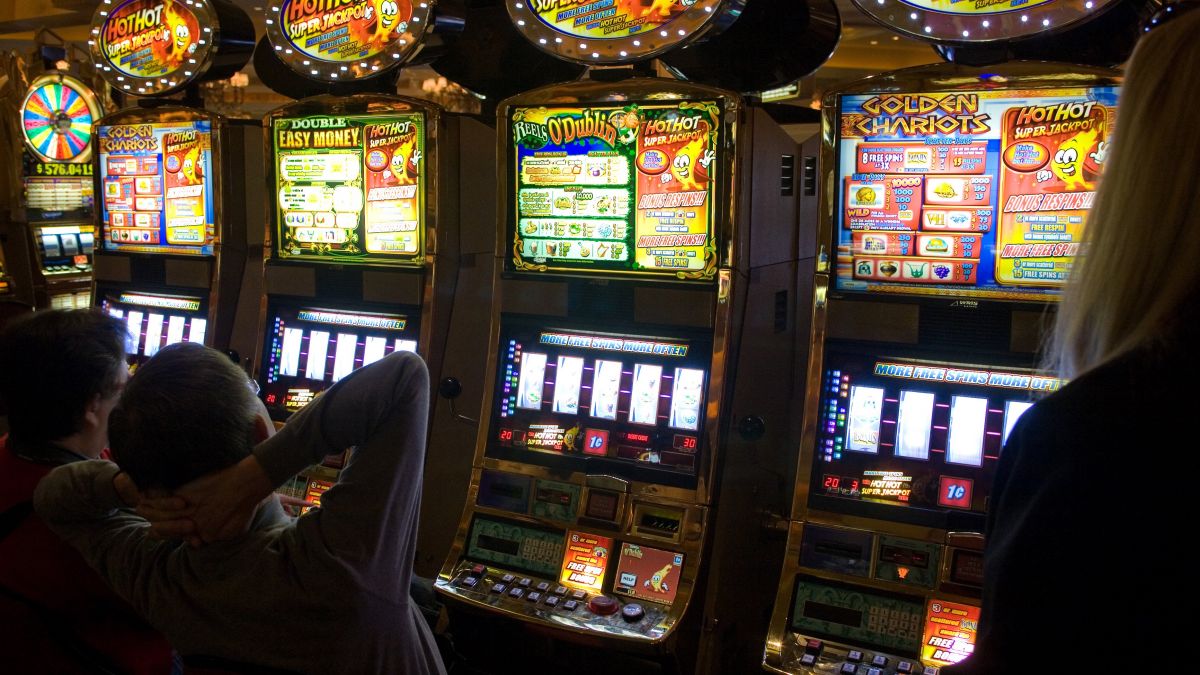
The 19th and 20th centuries witnessed a dramatic evolution in gambling, with the establishment of iconic casinos and the development of new forms of betting. Las Vegas, in particular, became synonymous with gambling in the mid-20th century, transforming into a hub of entertainment and luxury. The legalization of gambling in Nevada in 1931 paved the way for the construction of extravagant casinos, which combined gambling with shows, dining, and nightlife, creating a comprehensive leisure experience.
In addition to traditional casinos, the advent of online gambling in the late 1990s and early 2000s revolutionized the industry. The internet allowed gamblers to place bets from the comfort of their homes, leading to a surge in popularity and accessibility. Online casinos introduced innovative gaming options, including live dealer games and virtual sports betting, catering to a diverse range of preferences. This shift towards digital gambling marked a new era, blending technology with traditional gaming elements.
The modern gambling landscape is now characterized by a myriad of options, from sports betting to online poker, reflecting the diverse interests of gamblers. Regulatory frameworks have adapted to address these changes, with governments implementing laws to ensure fairness and protect players. As gambling continues to evolve, the industry faces ongoing challenges, including concerns about addiction and responsible gaming practices, necessitating a balance between entertainment and public welfare.
Exploring the Future of Gambling
The future of gambling appears dynamic and multifaceted, as advancements in technology continue to reshape the landscape. Innovations such as virtual reality and blockchain technology are poised to revolutionize the way people engage with gambling. Virtual reality casinos could offer immersive experiences, allowing players to step into a digital casino environment, while blockchain technology may enhance transparency and security in online gambling transactions.
Moreover, the rise of mobile gaming has created opportunities for gambling on-the-go, with apps allowing users to place bets anytime and anywhere. This convenience aligns with the fast-paced lifestyles of modern society, appealing to a younger demographic eager for new forms of entertainment. The integration of social elements into gaming platforms also fosters community engagement, transforming gambling into a shared experience.
As the gambling industry evolves, addressing ethical concerns and promoting responsible gaming will remain critical. Stakeholders must work collaboratively to implement measures that protect vulnerable populations while encouraging healthy gaming habits. Ultimately, the future of gambling will likely continue to reflect broader societal changes, blending technology, entertainment, and social interaction in innovative ways.